
What Is Real Property Coverage in Condo Insurance?
It's coverage for built-in items inside your unit, like walls, floors, cabinets and fixtures, not covered by the HOA's master policy.
Free to compare
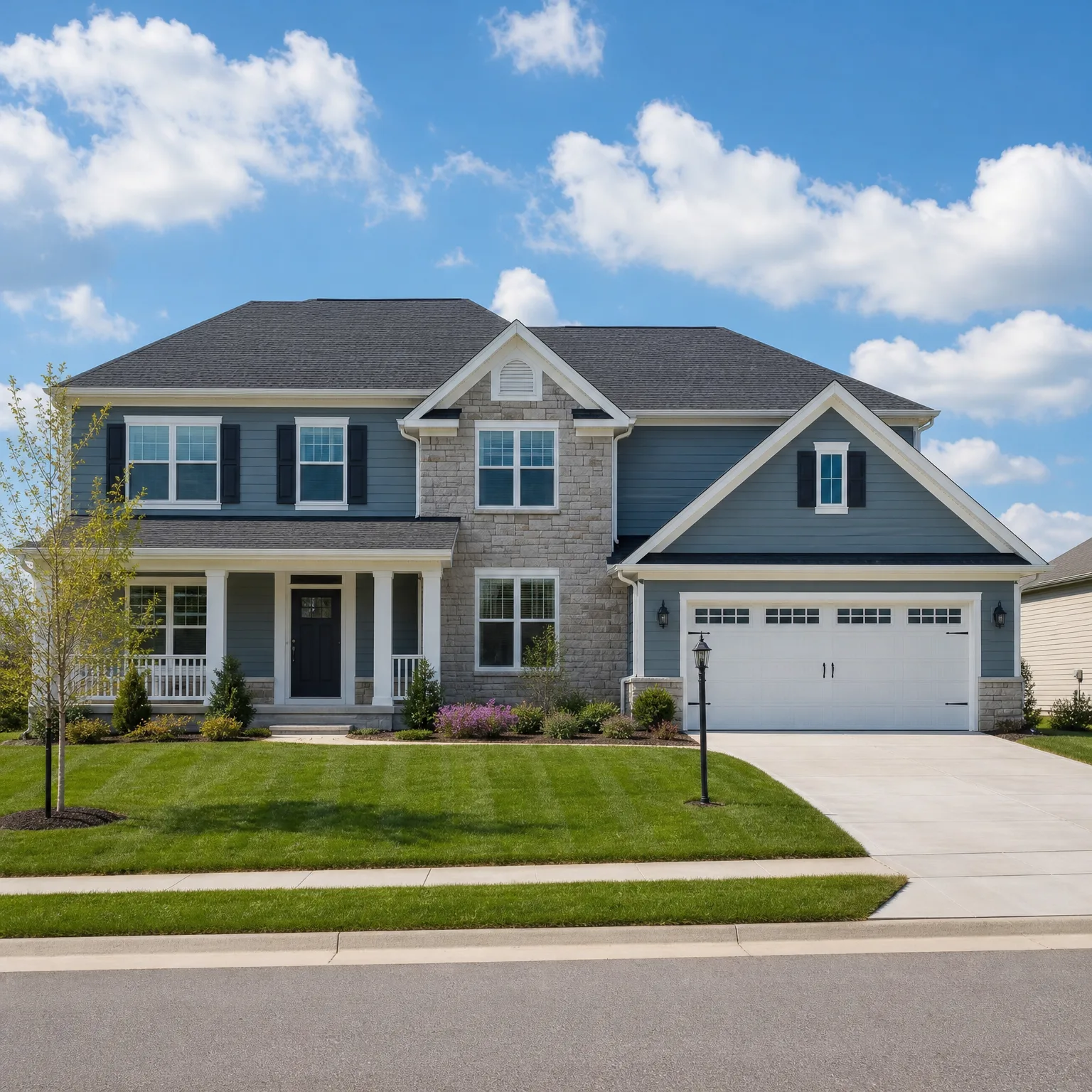
Your HO-6 policy's real property coverage picks up where the master policy stops. Most master policies cover the building's exterior and common areas, but many only insure the unit as it was originally built, sometimes called "bare walls" coverage. If you've upgraded cabinets, flooring or fixtures since then, those upgrades are yours to insure. The master policy's governing documents, usually in the condo declaration, state which version applies. Check that document and set your real property coverage limit high enough to rebuild your unit's interior as it stands today, not as it was when built.
Make sure your coverage matches your actual walls-in
Guessing at a real property limit is common, and it usually guesses too low once upgrades are counted. Comparing policies now shows what other insurers would set that limit at for a unit like yours.
What happens when damage starts outside your unit
Water damage in a condo rarely respects the line between your unit and the next one. A pipe bursts in the unit above you, soaks through your ceiling, ruins your flooring and ends up in your unit's electrical. Whose policy pays depends on where the water started and what the condo declaration says about responsibility, not just on who's unlucky. In many cases, the unit where the pipe failed is responsible for the damage it caused, and that owner's HO-6 liability coverage may respond. But plenty of declarations split it differently, and some push minor water damage back to the HOA's master policy regardless of fault. Your real property coverage is what rebuilds your unit's interior while that gets sorted out, and your insurer may later seek reimbursement from whoever was responsible.
Loss assessment is the piece that catches people off guard. If the building's roof is damaged and the master policy has a deductible of some size, or the loss exceeds what the master policy covers, the HOA can issue a special assessment and divide that cost among all unit owners. Loss assessment coverage, usually a separate line on your HO-6, pays your share up to its limit. It's not automatic and it's not unlimited, so check what limit your policy carries against what a real assessment might run in a building your size. A building with forty units splitting a six-figure shortfall is a different math problem than one with six.
Townhomes complicate this further because ownership of the structure itself varies by building. Some townhome owners own the walls and roof outright, more like a single-family house, with no master policy involved at all. Others are part of an HOA with a master policy much like a condo's, covering shared walls or the roof while the owner insures the rest. There's no single answer for what a townhome policy looks like until you know which arrangement applies, and that comes down to the HOA documents or the absence of one.
Before setting coverage limits, it's worth reading the HOA's master policy declaration page, not just the condo bylaws. It states the deductible the HOA carries, which matters because a large master policy deductible is exactly the kind of loss that triggers a special assessment. A unit owner who knows that number can size their loss assessment coverage to match it instead of guessing.

What loss of use and personal property add to an HO-6
Real property coverage rebuilds your walls, floors and cabinets. It does not pay for your clothes, furniture or electronics, and it does not cover a hotel stay while the unit is uninhabitable. Those come from two other parts of an HO-6 policy, personal property coverage and loss of use coverage. A fire that destroys your kitchen might trigger all three at once, each paying for a different piece of what you lost.
Personal property coverage works on its own limit, usually set as a percentage of your dwelling or real property limit, though that default is rarely enough for someone who has lived in a unit for years. Furniture, electronics, clothing and anything else that isn't fixed to the structure falls under this coverage, not real property. If you're not sure whether your limit matches what's actually in your unit, a rough inventory of major items and their replacement cost is worth doing before a loss, not after.
Loss of use coverage pays for a place to stay and extra daily expenses if your unit is damaged badly enough that you can't live in it during repairs. This matters more in condos than people expect, because a loss in someone else's unit or in a common area can still force you out of yours. The policy doesn't require the damage to start in your own walls for loss of use to apply, only that your unit becomes unlivable.
All three coverages, real property, personal property and loss of use, work off the same claim but pay for different things, and each has its own limit on the declarations page. A unit owner who only checks the real property number and assumes the rest scales with it can end up underinsured on contents or without enough to cover a few months of temporary housing. Reading all three limits together gives a fuller picture of what the policy actually pays when something goes wrong.

One page worth finding first
Pull the HOA's master policy declaration page and check its deductible. That number tells you what a special assessment could cost you, and what your loss assessment limit should cover.


