What Are the Key Differences Between HO-4 and HO-6 Policies?
HO-4 insures renters with no building coverage at all. HO-6 is for condo or co-op owners, covering walls-in and the unit itself.
Free to compare
Who each policy fits
HO-4 is a renter's policy. There's no unit or building to insure because you don't own one. HO-6 is for owners, condo, co-op, or townhome in some setups, because you own the unit even though an HOA or co-op board owns or manages the structure around it.
Where the master policy stops
The HOA's master policy usually covers the building's exterior, roof, and shared structures. Some master policies stop at the bare walls, others include fixtures installed by the builder. Your HOA documents state which type you have, and that decision sets how much walls-in coverage your HO-6 needs.
Loss assessment coverage
When damage to shared property exceeds what the master policy pays, the HOA can bill every owner a special assessment to cover the gap. Loss assessment coverage on your HO-6 reimburses you for your share. Check the limit on your policy against your HOA's reserve fund and claims history.
Water from a neighbor's unit
If water travels from another unit into yours, your HO-6 typically pays for damage to your belongings and interior, regardless of fault. The neighbor's liability coverage may come into play if they caused it through negligence, but your own policy is usually what responds first.
The gap between a bare-walls master policy and a fixtures-included one can mean thousands of dollars in cabinets, flooring, or built-ins you'd have to pay to replace yourself. A loss assessment with a limit too low to match your HOA's reserves leaves the rest of that bill with you. Comparing HO-6 quotes now shows what coverage costs to close that gap before an assessment letter arrives.
How much HO-6 coverage does a unit actually need
A good starting point is what it would cost to rebuild the inside of your unit from scratch. That means drywall, flooring, cabinets, countertops, and fixtures, anything your HOA's master policy doesn't already cover. If your building's master policy is bare-walls, that number runs higher, since you're on the hook for everything from the studs in. If it's fixtures-included, your HO-6 dwelling coverage can be lower because the master policy is already paying for cabinets and built-ins. Either way, the figure comes from what's inside your specific unit, not from what the unit would sell for on the market.
Personal property coverage is separate from that dwelling number and covers furniture, electronics, clothes, and everything else you'd have to replace if a pipe burst or a fire went through the unit. A common mistake is setting this too low because the unit itself is small. A one-bedroom condo can still hold tens of thousands of dollars in belongings once you add it up. Walking through each room and estimating replacement cost, not resale value, gives a more accurate number than guessing.
Loss assessment coverage deserves its own look rather than leaving it at whatever default the policy sets. Ask the HOA or check its board minutes for how well-funded its reserves are and whether it's had claims that came close to the master policy's limits. A building with an aging roof or a history of water damage claims is a more likely source of a special assessment than one with healthy reserves and no recent losses. Some HO-6 policies cap loss assessment coverage at a few thousand dollars by default, which can fall far short if the assessment is for a new roof split among forty units.
Liability coverage on an HO-6 works the same way it does on any homeowners policy. It responds if someone is hurt inside your unit, or if you're found responsible for damage to someone else's property, including the neighbor below you if water from your unit causes the damage. Loan or lease clauses from a mortgage lender sometimes set a minimum for this, so checking what the lender requires is worth doing alongside figuring out what actually fits the unit.
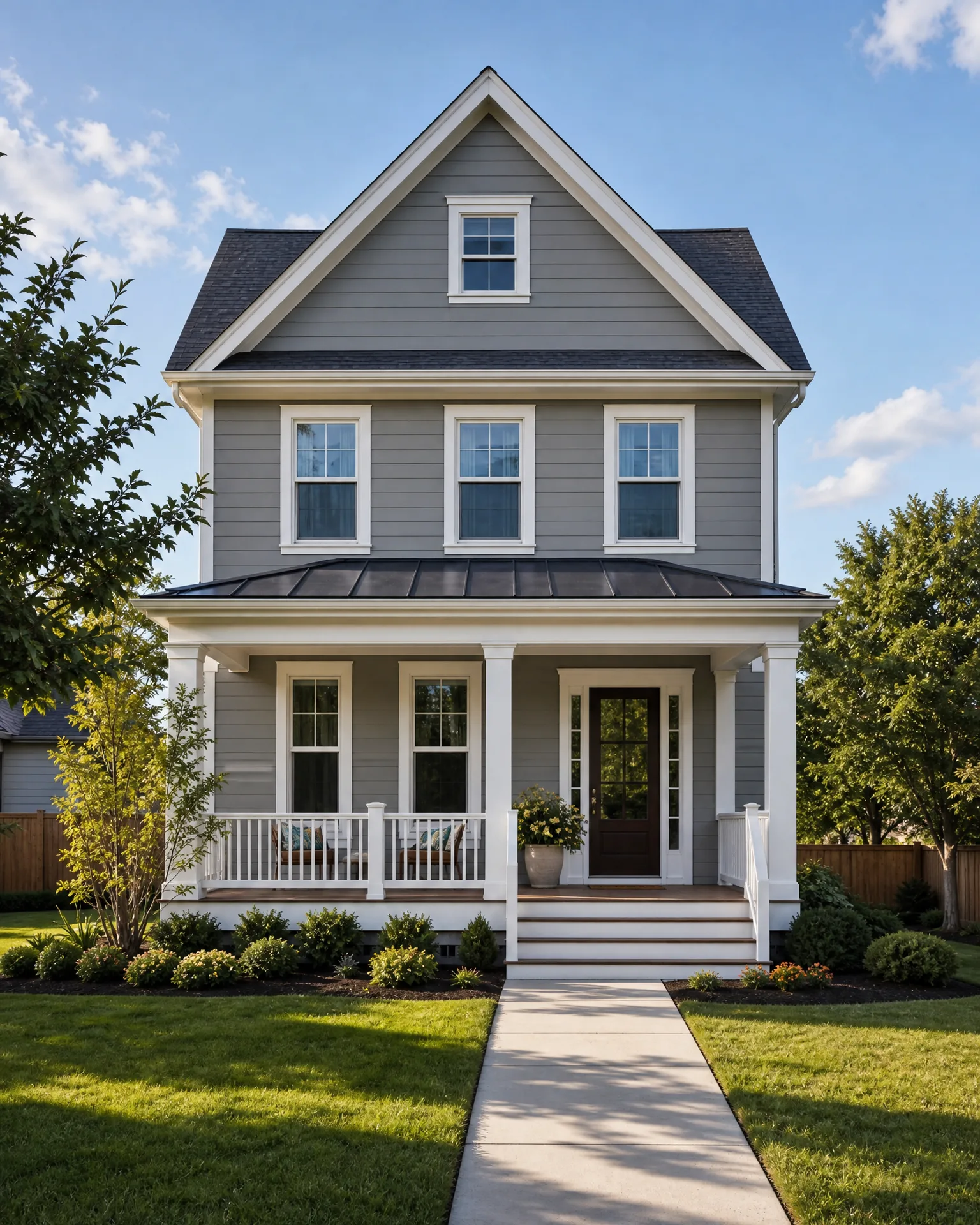
What happens to a townhome under an HO-6
Townhomes complicate the HO-4 versus HO-6 question because ownership setups vary. Some townhome communities have an HOA that owns and insures the exterior walls, roof, and land, much like a condo building. In that case, the owner carries an HO-6, the same policy a condo owner would use, because the structure sits on shared or HOA-managed ground. Other townhome communities have no master policy at all. Each owner holds the title to their own structure and the land under it, lot line to lot line.
When there's no master policy, a townhome owner needs an HO-3, the standard policy that covers the whole structure, not an HO-6. The deciding factor isn't what the building looks like from the street. Two identical rows of townhomes can be insured completely differently depending on how the HOA documents define ownership. Checking the HOA's covenants, conditions, and restrictions, or asking the HOA directly, settles which policy actually fits before coverage gets bought.
Getting this wrong runs in both directions. Buying an HO-6 for a townhome that has no master policy leaves the exterior walls and roof uninsured, since HO-6 coverage assumes some other policy is already paying for the structure around the unit. Buying an HO-3 for a townhome where the HOA insures the exterior means paying for coverage that duplicates what the master policy already provides, and still missing loss assessment coverage, which only comes with an HO-6 or a specific endorsement.
A mortgage lender often settles the question by requiring a specific policy type as a condition of the loan, since lenders have already seen how the HOA documents define ownership. Where there's no lender involved, like a property owned outright, the HOA's governing documents are the source to check. They state in plain terms who's responsible for insuring the walls, the roof, and the land, and that answer points to the right policy.

Before you buy
Pull your HOA's governing documents. Find out whether the master policy is bare-walls or fixtures-included, and check the reserve fund balance. Both decide how much HO-6 coverage your unit actually needs.