Is It More Expensive to Insure a Condo?
Usually cheaper than insuring a house, since the HOA's master policy covers the building and you're only insuring the interior and belongings.
Free to compare
What a condo policy, called an HO-6, actually costs depends on how much the HOA's master policy leaves for you to cover. Check the HOA's governing documents for whether the master policy is bare walls (covers only the building structure, leaving your flooring, cabinets, and fixtures to you) or all-in (covers those too). Bare walls means you need more dwelling coverage on your own policy, which raises the price. Loss assessment coverage, usually a few thousand dollars, handles your share if the HOA bills owners after a shared loss, and your declarations page shows your current limit.
Two HO-6 quotes can cover the same unit differently
One insurer's dwelling and loss assessment limits may match what your HOA's master policy leaves uncovered. Another's may not. Compare quotes against your governing documents before you settle on a price.
What happens when water from another unit damages yours
When a pipe in the unit above fails and water comes through your ceiling, the question is whose policy pays, and the answer depends on where the water started and what it damaged. If the leak begins in the neighbor's unit due to their own pipe or appliance, their HO-6 liability coverage may cover the damage they caused to your unit, but proving fault and collecting can take time. Most people use their own policy instead. Your HO-6 covers your personal property and the interior finishes you're responsible for, regardless of whose pipe burst, and your insurer can seek reimbursement from the neighbor's insurer afterward. That's why the dwelling coverage on your own policy matters even when someone else caused the damage.
Loss assessment coverage works differently from a liability claim between neighbors. If a pipe bursts in a shared wall or a common area, the HOA's master policy should respond first, since that's the building's responsibility. But master policies carry deductibles too, sometimes large ones, and the HOA can pass that deductible to all owners as a special assessment. If your unit is one of several damaged, you could also see an assessment to cover what the master policy's limits don't reach. Loss assessment coverage on your HO-6 pays your share of that bill, up to your limit, which is why it's worth checking against what the HOA's deductible actually runs.
Townhome insurance adds a wrinkle depending on how the property is set up. Some townhomes are part of an HOA with a master policy much like a condo building, and an HO-6 fits the same way. Others, especially where each owner holds title to the land under and around the unit, are insured more like a standalone house, with an HO-3 policy covering the structure, attached walls, and roof outright. The deed and the HOA agreement, not the building's appearance, determine which applies. A townhome that looks identical to the one next door can be insured under a completely different type of policy depending on how ownership is structured.
None of this is visible from the outside of the building. Two units in the same complex can need different coverage if one owner finished a basement or upgraded cabinets beyond what the HOA originally installed, since betterments and upgrades usually fall outside the master policy no matter how it's written. Checking the HOA's governing documents and your own improvements against your HO-6 declarations page is the only way to know where the coverage gap actually sits.
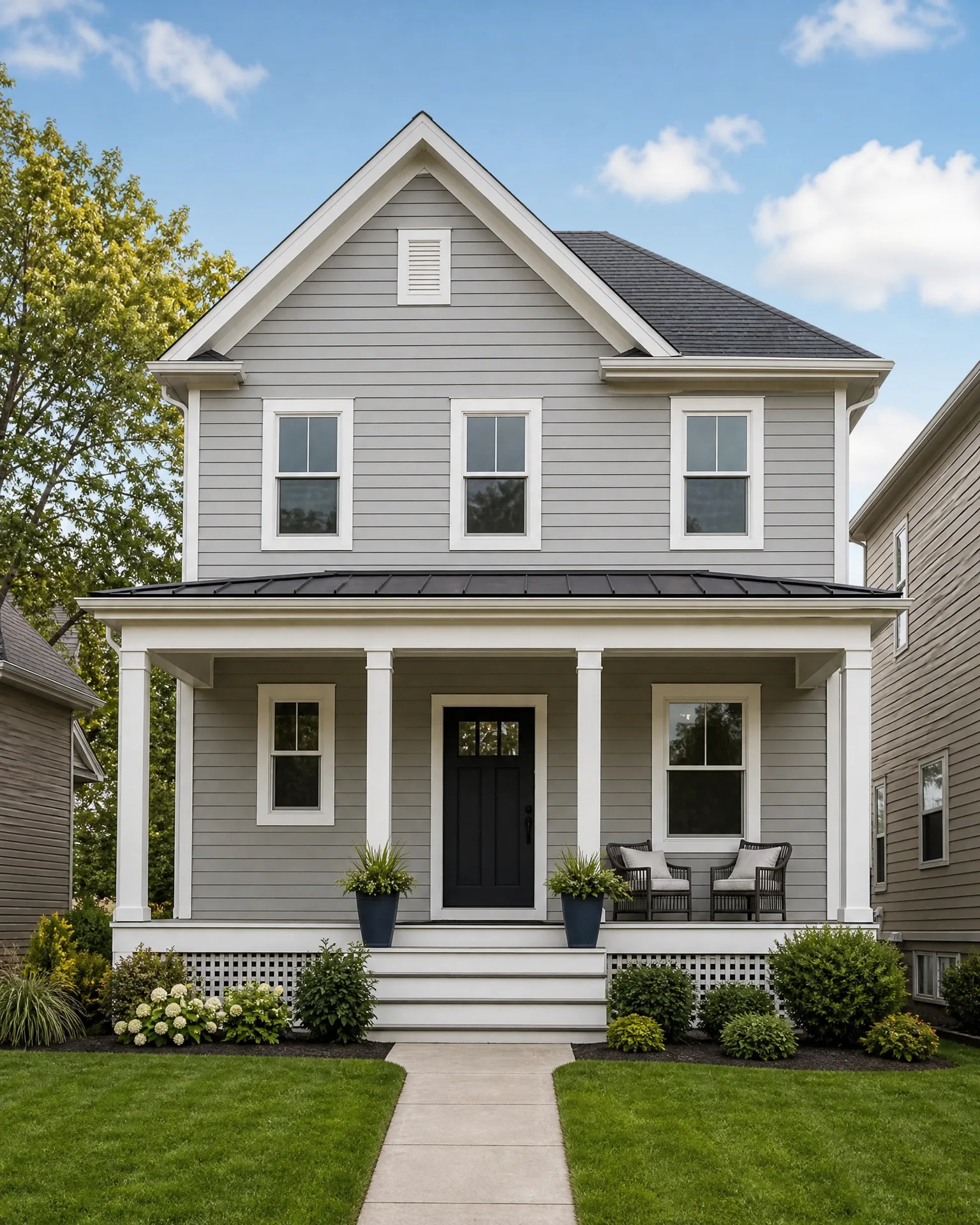
How much dwelling coverage does a unit actually need
There's no fixed number that works for every unit, because it depends entirely on what the master policy leaves out. A bare walls master policy means your HO-6 needs to cover everything from drywall in, including flooring, cabinets, countertops, and built-in fixtures. An all-in master policy already covers those, so your dwelling coverage only needs to handle paint, wallpaper, and anything you've added yourself. Two identical units in the same building can need very different dwelling limits if their owners read the HOA documents differently, or didn't read them at all.
Start by pricing out what it would cost to replace your unit's interior from the studs out, using local labor and materials costs. Then subtract whatever the master policy's language says it covers. What's left is roughly what your dwelling coverage should be. Insurers who sell HO-6 policies in your area can help estimate this, but the starting point has to be the HOA's governing documents, not a guess. Setting the limit too low doesn't save much on the premium and leaves a real gap if the unit is damaged badly enough to need a full rebuild.
Upgrades complicate this further. If you've renovated a kitchen, finished a basement, or installed higher-end fixtures than what the building originally had, that added value typically isn't covered by the master policy no matter how generous it is, since master policies are usually written to the original builder-grade specifications. Your own HO-6 dwelling coverage needs to account for the cost of restoring those upgrades, not just the base unit. This is worth revisiting after any renovation, since the coverage that was right when you bought the unit may no longer match what's inside it.
Personal property coverage is a separate number from dwelling coverage, and it's easy to underestimate. It needs to cover furniture, electronics, clothing, and everything else you own, replaced at current prices rather than what you originally paid. A home inventory, even a simple one with photos and estimated values, makes this easier to set accurately and faster to use if a claim ever comes up. Between dwelling, personal property, and loss assessment, the right numbers come from matching your policy to your specific unit and your specific HOA, not from a generic figure that happens to sound reasonable.

Before the next renewal
Pull the HOA's master policy summary and your HO-6 declarations page side by side. Confirm bare walls or all-in, check the master policy's deductible against your loss assessment limit, and update both after any renovation.