In a Bare Walls Condo After Fire, Who Pays
The HOA's master policy covers the bare structure. Your HO-6 policy pays to rebuild interior walls, floors, cabinets, and fixtures.
Free to compare
Where the master policy stops
A bare walls master policy covers the building's structure. Studs, foundation, roof, and common areas are included. Anything inside your unit's walls, including drywall, flooring, cabinets, and built-in fixtures, falls outside it. Your HOA's governing documents or the master policy's declarations page show exactly where that line is drawn.
What your HO-6 must cover
Your policy needs enough dwelling coverage to rebuild everything the master policy excludes, from drywall to kitchen cabinets to flooring. If your unit has upgrades like hardwood floors or a renovated bathroom, standard coverage limits may fall short. Price those upgrades out and match your coverage limit to that cost.
A neighbor's water damage
When water comes from the unit above, the source unit's owner or their policy often bears responsibility for the damage, though this depends on whether it was negligence or a sudden pipe failure. Your own HO-6 covers your unit's rebuild and belongings regardless, then insurers sort out responsibility between themselves.
The HOA's special assessment
If the master policy's payout falls short of the full damage, the HOA can bill every owner a special assessment to cover the gap. Loss assessment coverage, usually an add-on to your HO-6, pays your share. Check your declarations page for the limit.
A bare walls master policy leaves a real gap, and that gap is yours to close. If your dwelling limit is set too low for the cabinets and flooring you'd actually have to replace, or you skipped loss assessment coverage, a fire in the building could cost you thousands out of pocket. Comparing HO-6 policies now shows what coverage costs to get that gap closed properly.
How a fire claim actually plays out, step by step
After a fire, the HOA's master policy adjuster and your HO-6 adjuster are looking at different things. The master policy adjuster assesses damage to the structure itself, things like the studs, the roof, and shared hallways. Your adjuster separately assesses your unit's interior, the part the master policy never touched. These two claims move on their own timelines, and it's common for one to settle months before the other.
If the fire started in your unit, your liability coverage, which comes bundled into most HO-6 policies, matters more than usual. Fire that spreads into shared structure or into a neighboring unit can trigger claims against you from the HOA or from other owners. Liability coverage pays for damage you're found responsible for causing to other people's property, up to your policy's limit. A unit owner whose cooking fire spreads through a wall into the unit next door is exactly the scenario this coverage exists for.
While the building is being repaired, you may not be able to live in your unit. Loss of use coverage, also usually part of an HO-6 policy, pays for a hotel or a rental during that time, along with extra costs like meals out if your kitchen is unusable. This coverage has its own limit, often a percentage of your dwelling coverage or a set dollar amount, and it runs out eventually even if repairs take longer than expected. If your building suffered serious fire damage, ask early how long repairs are expected to take, so you know whether your loss of use limit will cover the whole displacement.
Your personal property, meaning furniture, clothing, electronics, and other belongings, is covered by your HO-6 regardless of whose policy is responsible for the structural damage. If the fire destroyed your belongings, that claim goes through your own insurer, not the HOA's. Keeping a rough inventory of higher-value items, even just photos on your phone, makes this part of the claim faster to settle. None of these pieces, the liability coverage, the loss of use coverage, or the personal property limit, are things a bare walls master policy touches. That's why an HO-6 built around only the rebuild cost can still leave gaps after a serious fire.
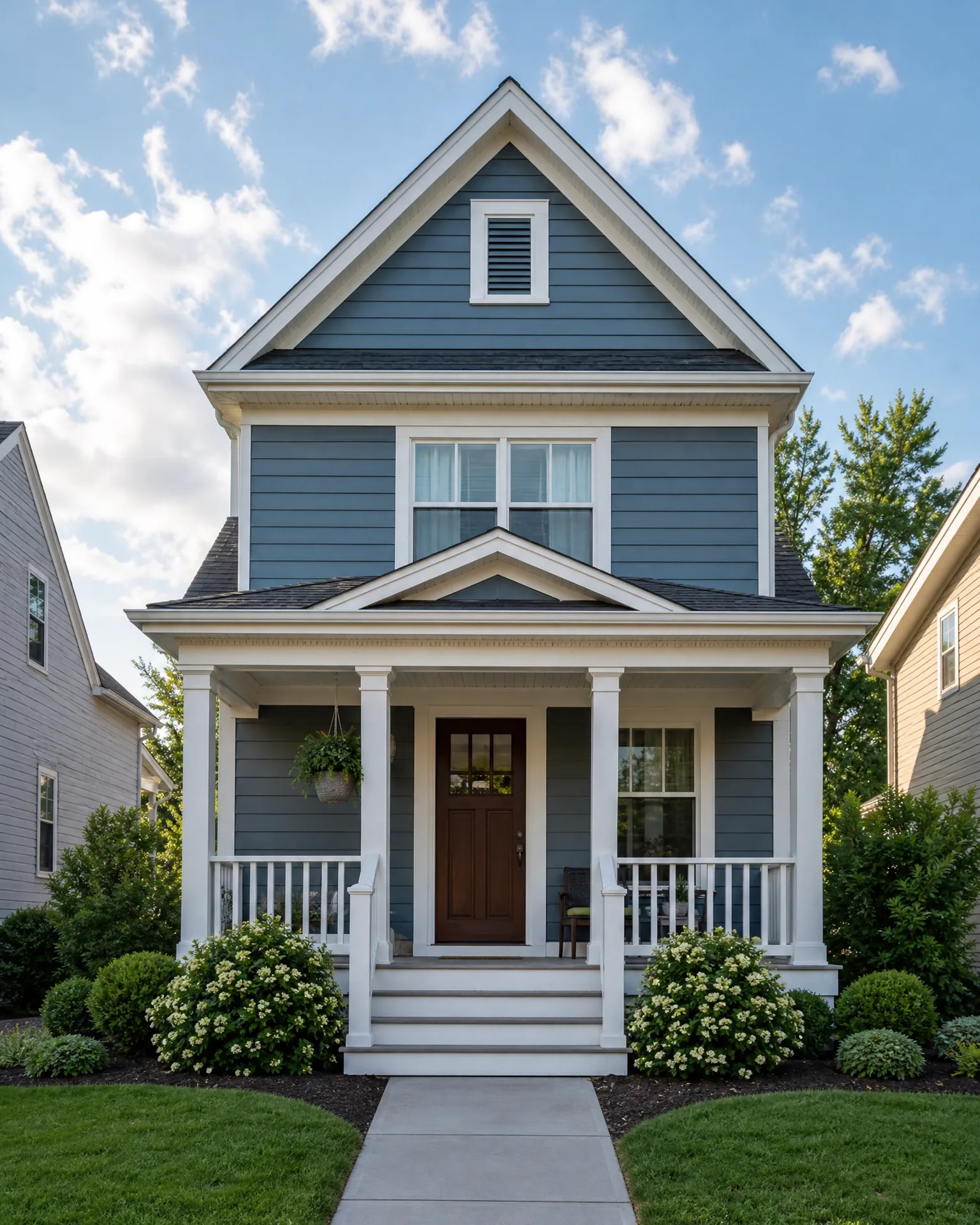
What townhome insurance looks like compared to a condo
A townhome is often legally different from a condo, and that difference changes who's responsible for what after a fire. Many townhome owners own not just the interior but the exterior walls and the roof over their own unit, sometimes even the land underneath. Whether an HOA's master policy covers any part of your townhome's structure depends entirely on your community's governing documents. Some townhome HOAs carry no master policy at all, and in that setup the full dwelling, not just the interior, is the owner's responsibility to insure.
If your townhome HOA does carry a master policy, check whether it covers just common areas like a shared roof or clubhouse, or whether it extends to each unit's exterior walls too. This varies a lot between communities, more than it does between condo buildings, because townhome arrangements aren't standardized the way condo bare walls or all-in policies tend to be. The HOA's insurance documents or its bylaws should state this directly. If they don't, ask the HOA board before assuming your policy needs match a typical condo owner's.
Because townhome owners often insure more of the physical structure themselves, a standard HO-6 policy may not fit. Some townhome owners need a policy closer to a standalone house policy, sometimes called an HO-3, which covers the dwelling from the roof down rather than just the interior. Using an HO-6 built for bare walls condo coverage on a townhome where you own the exterior could leave the structure itself uninsured.
Loss assessment coverage still matters for townhome owners, especially where a shared master policy covers common elements like private roads or a shared clubhouse. If a fire damages one of those shared structures and the master policy payout falls short, the HOA can still bill owners a special assessment, the same as in a condo building. The amount you might owe depends on how much shared structure the HOA insures versus how much sits with individual owners, which is exactly why reading the governing documents before buying a townhome policy, rather than after a loss, saves confusion later.

Before the next renewal comes due
Pull your declarations page and look at two numbers. Compare the dwelling limit to what your cabinets and flooring would actually cost to replace, then check the loss assessment limit against what the HOA's master policy might leave uncovered.