HO-6 Replacement Cost vs Actual Cash Value
Replacement cost pays to rebuild or replace what's damaged. Actual cash value subtracts depreciation for age and wear.
Free to compare
What RCV pays for repairs
Replacement cost coverage pays what it actually costs today to repair or replace your cabinets, floors, and fixtures with similar materials. No deduction for the fact that your ten-year-old kitchen isn't new. This is what most HO-6 policies offer, but check your declarations page to confirm.
How ACV cuts your payout
Actual cash value takes the replacement cost and subtracts depreciation based on age and wear. A fifteen-year-old roof or flooring gets less value credited than a new one, even though full replacement costs the same amount today. The gap between ACV and RCV can be thousands on an older unit.
Your unit's finishes and upgrades
Coverage applies to what's inside your unit's walls. That means cabinets, countertops, built-in appliances, and the flooring you installed. If you upgraded a bathroom or kitchen above the building standard, that higher cost needs enough coverage limit to rebuild it, regardless of whether it's RCV or ACV.
Choosing coverage when buying
If you're shopping for an HO-6 now, ask directly whether the policy pays replacement cost or actual cash value, since this isn't always obvious from the price alone. A cheaper ACV policy can cost far more out of pocket after a fire or water damage claim on an older unit.
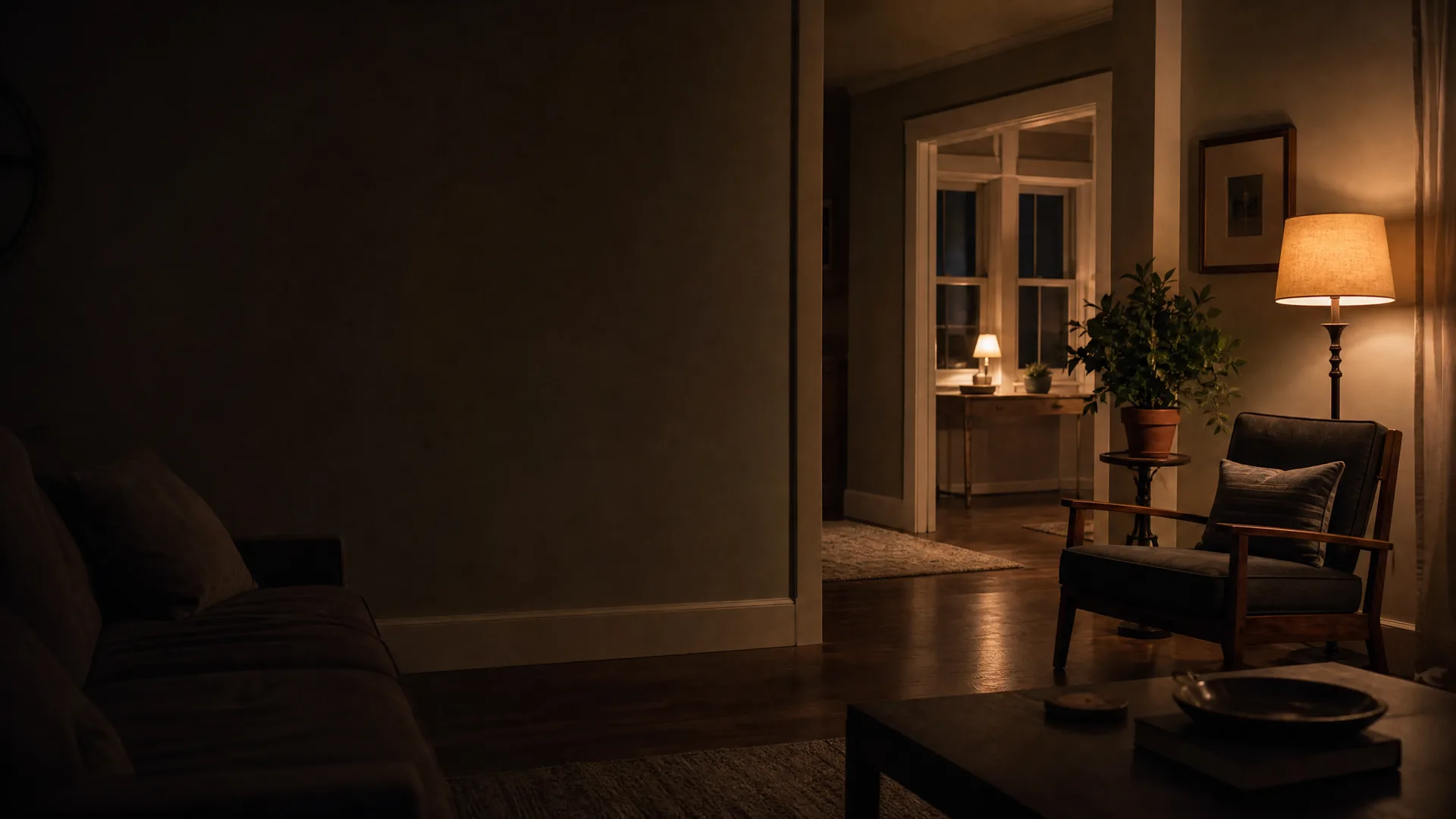
An ACV policy looks like a bargain until a pipe bursts behind that ten-year-old kitchen and the payout arrives short of what new cabinets and flooring actually cost. That difference comes out of your own pocket, on top of whatever the HOA's master policy doesn't touch. Comparing what HO-6 policies actually pay, not just what they charge, is how you find out before a claim forces the question.
How loss assessment coverage fits with RCV and ACV
RCV and ACV describe how your own unit's damage gets paid. Loss assessment coverage is a different piece, and it matters for a different reason. When the building has damage to shared property, like a roof or a lobby, and the HOA's master policy doesn't cover the full repair cost, the HOA can bill unit owners directly for the shortfall. That bill is a special assessment, and it can run from a few hundred dollars to tens of thousands depending on the damage and the master policy's limits.
Loss assessment coverage on your HO-6 reimburses you for that bill, up to the limit you carry. Most policies include a modest amount by default, often enough for small assessments. A major loss, like a fire that guts a shared structure, can produce an assessment far above that default. Raising the limit costs relatively little and is worth checking against the size of your HOA's master policy deductible. A high deductible on the master policy means owners are more likely to get billed when something goes wrong.
Loss assessment coverage runs on a separate track from RCV versus ACV. Your RCV or ACV setting only affects what happens to your own unit's interior after direct damage, like a pipe bursting in your kitchen. Loss assessment coverage responds when the building as a whole takes a hit and the cost gets passed down to owners. A unit owner can carry strong replacement cost coverage inside the walls and still face an unexpected bill from the HOA if loss assessment coverage is too low or missing.
Where water or fire damage starts also shapes which coverage responds first. If damage begins in a neighbor's unit and spreads into yours, your own HO-6 typically pays for your unit's damage and contents regardless of fault. Your insurer may seek reimbursement from the neighbor's insurer separately, and that process doesn't usually involve you directly or delay your own repairs. Checking how your policy's declarations page lists both the RCV or ACV setting and the loss assessment limit gives a fuller picture of what happens after a claim than looking at either one alone.
What happens when ACV leaves you short on an old roof
Say the building is twenty years old and a storm tears up the roof over your unit. The HOA's master policy likely covers the roof itself since it's shared structure. But if a leak gets into your ceiling, your flooring, or a closet, that interior damage falls to your HO-6. If your policy runs on actual cash value, the insurer pays what that twenty-year-old drywall and flooring were worth. It doesn't pay what new materials and labor cost today. The check can land well short of the contractor's bill.
A lot of condo owners get caught off guard by this. They assumed the master policy or their own HO-6 would make them whole. Instead they're covering a gap between the ACV payout and the actual repair cost. On an older unit, with older finishes, that gap tends to be larger, since depreciation has had more years to work against the payout.
Switching from ACV to RCV, where the insurer offers both, usually raises the premium by a modest amount. Weigh that against the unit's age and what's inside it. A newly renovated kitchen or bathroom has little depreciation yet, so the gap between ACV and RCV is small. A unit with original fixtures from decades ago is a different case, and RCV coverage matters more there.
None of this depends on whether the HOA's master policy pays first or whether fault falls on a neighbor. It comes down to what your own policy pays once your unit's interior is damaged, whatever the cause. The declarations page states which basis applies. Some insurers list it plainly, others bury the term in policy language. Asking directly, or reading that page closely before a loss happens, is the only way to know which one applies to the kitchen or flooring actually inside your unit.


Before you compare policies
Pull up your declarations page. Find whether your unit coverage runs RCV or ACV, and check your loss assessment limit. Compare both against your HOA's master policy deductible before deciding if your coverage is enough.