
Do Condo HOAs Include Insurance?
Usually, yes, for the building structure. Your own unit's interior, belongings, and liability need a separate HO-6 policy.
Free to compare
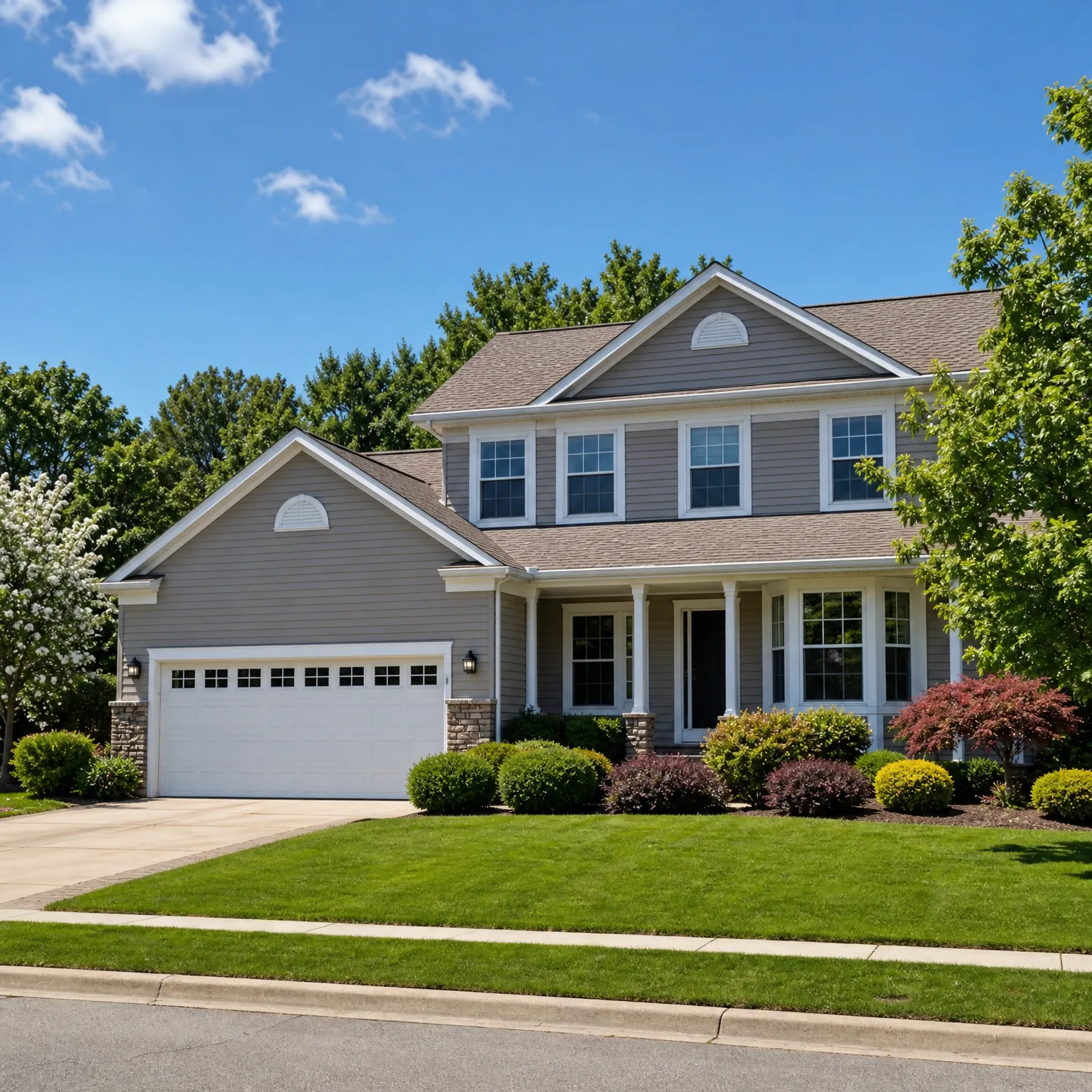
The HOA's master policy covers what's outside your walls, the roof, the exterior, the shared hallways and grounds. What's inside your unit, the flooring, cabinets, built-in fixtures, plus everything you own and your liability if someone gets hurt inside, falls to your HO-6 policy. If a pipe bursts in the unit above you, the water damage to your walls and belongings is typically your HO-6's problem, not the HOA's, even though the leak started elsewhere. Check the HOA's governing documents to see exactly where its coverage ends.
Where the master policy stops is where your risk starts
The HOA's coverage ends at your walls. An HO-6 policy that undersells your interior or belongings leaves you paying the difference after a loss. Compare policies to find coverage that actually matches what you'd need to rebuild.
What happens when the HOA bills you for its deductible
When the master policy pays a claim for damage to the building, the HOA's own deductible on that policy still has to be paid by someone, and most governing documents let the HOA pass that cost to unit owners through a special assessment. If a fire damages the roof and the HOA's master policy carries a $25,000 deductible, the HOA can bill that amount across the affected units. Loss assessment coverage, usually a few thousand dollars built into an HO-6 policy as a separate line, pays that bill instead of coming out of your pocket. It's worth checking how much your policy includes and whether it's enough to cover a realistic deductible on the master policy, which you can usually find by asking the HOA or reading its insurance declarations.
Loss assessment coverage also matters for liability. If someone is hurt in a common area and the HOA's liability coverage falls short, or if a judgment exceeds the master policy's limit, owners can be assessed for the gap. The coverage in your HO-6 responds to both property and liability assessments, though the limit you're given by default is often low, around $1,000 to $2,000, and worth raising if the building is older or the HOA's own coverage looks thin.
The other number worth checking is how your HOA insures the building itself. Some master policies are written "bare walls," covering only the structure as it was originally built, studs, pipes, wiring behind the walls. Others are "all-in" or "single entity," extending to fixtures, built-in cabinets, and sometimes even flooring as installed by the developer. If your HOA carries a bare walls policy, your HO-6 needs enough coverage for the drywall, flooring, and cabinets you'd have to replace, not just paint and furniture. The HOA's insurance certificate or the governing documents will say which kind of policy is in place, and that answer changes how much interior coverage your own policy needs to carry.
Townhomes complicate this further because ownership structures vary. Some townhome communities are set up like condos, with an HOA master policy covering shared structures and exteriors. Others treat each townhome as a standalone property, where the owner insures the entire structure, roof included, under a regular homeowners policy rather than an HO-6. The deed and the HOA's covenants settle which applies, and that distinction determines whether a reader needs dwelling coverage for the whole building or just the interior.
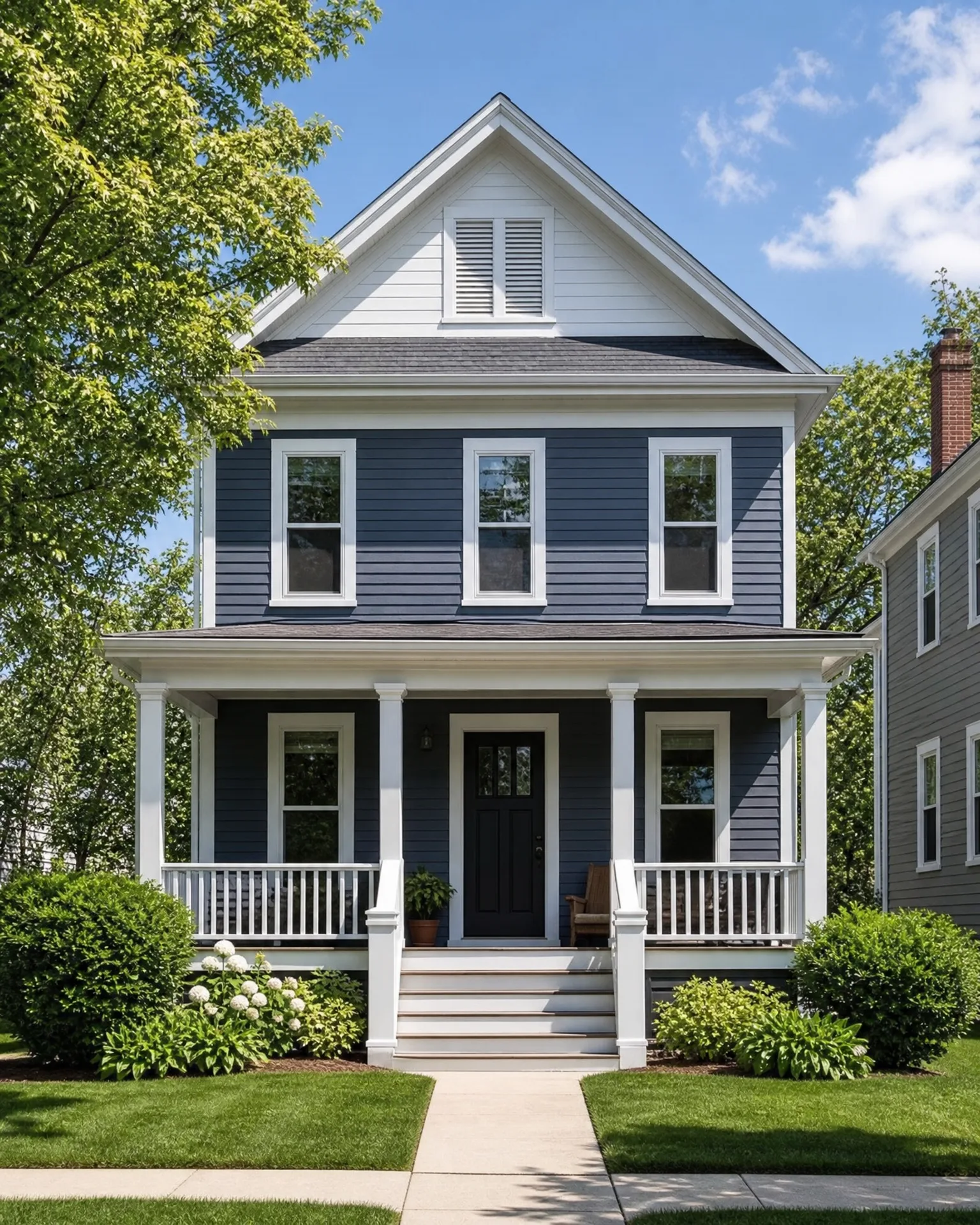
What kind of master policy does the HOA actually carry
Not every master policy is built the same way, and the difference changes what a unit owner is responsible for. A bare walls policy only covers the structure as it existed when the building went up. That means the studs, the subfloor, the pipes and wiring buried in the walls. Anything added after that, flooring, cabinets, light fixtures, built-in shelving, falls outside it entirely. An all-in or single entity policy goes further, often covering those same fixtures and finishes as part of the building, sometimes even the flooring the developer originally installed.
The HOA's insurance certificate or governing documents state which type is in force, and it's worth actually reading that line rather than assuming. A unit owner under a bare walls master policy needs an HO-6 with enough interior coverage to rebuild the inside of the unit from studs out, cabinets, counters, floors, built-ins, all of it. Under an all-in policy, less of that falls on the owner, though belongings and upgrades beyond the standard finish still do.
A renovation changes this math. Someone who redid a kitchen or added hardwood floors has likely increased what their own policy needs to cover, since the HOA's master policy, bare walls or not, was written around the building's original condition. Upgrades typically aren't picked up automatically by the master policy. They need to be reflected in the HO-6's interior coverage limit, something worth revisiting after any significant renovation rather than waiting for a claim to reveal the gap.
Townhomes add another variable, since not all of them are insured like condos. In some communities, the HOA's master policy covers the exterior and roof the same way it would for a condo, and the owner's policy is still an HO-6 covering the interior. In other townhome communities, there's no master policy for individual structures at all, and each owner insures their own building end to end, including the roof and exterior walls, under a standard homeowners policy rather than an HO-6. Which setup applies depends on the deed and the HOA's covenants, not on the fact that the building shares walls with a neighbor, and it's worth confirming this before assuming an HO-6 is even the right policy type.

One document settles most of this
Ask the HOA for its insurance certificate. It states whether the master policy is bare walls or all-in, plus the deductible and liability limit. That tells you how much HO-6 coverage your unit needs.